There is a particular kind of hope involved in pressing send on a submission, and a particular kind of dull thud when the rejection lands eight weeks later. Between those two moments sits a load of admin: reading guidelines, formatting pages, keeping a record of what went where, deciding whether to chase or wait. None of it is glamorous. All of it improves your chances.
Editors are not scanning the pile for reasons to reject you. They are hunting for a reason to say yes to one poem out of several hundred. The writers who get published are rarely the most gifted in the pile; they are the ones who make an editor's job easy.
Read the guidelines like you mean it
Guidelines are not a formality. They are the first test, and they tell you most of what you need to know about whether to bother. Before you send anything, find the answers to these questions:
- Is the window open? Plenty of magazines read for a few weeks once or twice a year. Sending in June to a magazine that reads in February is a guaranteed no.
- What do they want? Line limits, number of poems, theme calls, translations, work in Scots or Welsh, prose poems, long sequences.
- Have they published it before? A poem on your blog, your social media or in a university anthology usually counts as previously published. Say so if asked rather than hoping nobody notices.
- Do they allow simultaneous submissions? Most UK magazines do, provided you withdraw promptly if the poem is taken elsewhere. A few explicitly do not.
- Do they charge a reading fee, and do they pay contributors? Fees are part of the landscape now, but plenty of magazines still charge nothing. If money is tight, stick to the free ones.
- Do they read anonymously? This changes how you format the file, so check before you save it.
Then read the magazine itself. Two recent issues, even if you only read the poems they post online. You are listening for register, pace and appetite: short lyric pieces or narrative poems, formality or plain speech, poems that take risks or poems that land cleanly. Sending a sestina to a magazine that prints three-line fragments is not a moral failing. It is just a waste of a reading slot.
Get the file right
Technical rejections are the most avoidable kind. A few habits will keep you out of that pile.
Put each poem on its own page, title at the top, in an 11 or 12 point serif font, single spaced, with a clear blank line between stanzas. Use consistent stanza breaks; if you indent, use the paragraph settings rather than a row of spaces, which collapse the moment anyone opens the file on a different machine. Save as .docx unless the guidelines ask for .pdf, and name the file clearly: surname-poem-titles.docx tells an editor everything they need. If the magazine reads anonymously, keep your name out of the document, the header and the file name.
Order matters more than most poets admit. Open with your strongest poem, not the one you are fondest of, and build a set that feels varied. Three poems about the same grandmother on the same afternoon reads as one poem written three times; three poems that disagree with each other reads as a writer with range.
A UK-style cover letter: short, factual, no swagger
Many magazines now use a submission portal with fields for your bio and a box for notes. If that is what you are given, fill it in and skip the letter entirely. If the guidelines ask for a covering letter, keep it to about 150 words. Editors read it for three things: what you are sending, whether it is a simultaneous submission, and who you are in two lines.
UK convention leans towards brevity. Write the letter in the first person and the bio in the third, the way you would on the back of a pamphlet. Do not explain the poems, apologise for sending them, compare yourself to anyone famous, or mention how long you have been writing. If a named editor appears in the guidelines, address them; otherwise "Dear Editors" is fine.
Dear Editors,
Please consider the three poems enclosed for [Magazine]. They are simultaneous submissions, and I will withdraw them immediately if they are accepted elsewhere.
My poems have appeared in [Magazine A] and [Magazine B]. I live in Leeds and am working towards a first pamphlet.
Thank you for your time.
Yours sincerely,
[Your name]
Two things to leave out: a list of every publication you have ever had, and any sentence beginning "I would be honoured if". Nothing wrong with the sentiment, but it uses a line you do not have.
Track simultaneous submissions without losing the plot
If the magazine allows it, send the same batch to several places at once. Otherwise one slow reader can block a poem for a year. The cost is admin, and a spreadsheet solves it. Columns worth keeping:
- Magazine, and whether simultaneous submissions are allowed
- Date sent, titles sent, number of poems
- Stated response time, plus the date you will chase
- Status: out, withdrawn, accepted, rejected, with any note on the rejection
- When the next reading window opens
Keep a folder of the exact files you sent. Versions matter: if a poem is accepted a year later, you want to know which draft the editor actually read. When an acceptance arrives, withdraw that poem from everywhere else the same day. A short email does it, with the subject line Withdrawal: [titles], [your name], one line saying the poem has been accepted elsewhere and thank you. If a portal has a withdraw button, use it instead. Withdraw the poem, not the whole batch.
If a magazine states a response time and that time has passed by a fortnight, a polite one-line enquiry is reasonable. If the guidelines say no enquiries, respect that and wait.
What to do with a rejection
A magazine that receives a thousand poems for a thirty-page issue is not delivering a verdict on your worth as a writer. It is filling a magazine, and arithmetic explains most of what lands in your inbox. Some rejections arrive with a note from a reader. That note is the useful part: a personal response usually means the poem was discussed, which makes the magazine worth trying again, often with different work.
- Log the date and anything the editors said.
- Move the poems straight to the next magazine on your list, that same day, while you are still at the desk.
- If a poem has been out a dozen times without a nibble, read it aloud and ask whether it is doing what you think it is doing. Put it in a drawer for a month, then look again, or give it to a reader you trust.
- Do not reply to argue, and do not air it publicly. There is nothing to win.
- Do not resend the same poems to the same magazine in the same reading period. Wait for the next window.
A routine that works
Protect one hour a week. Twenty minutes reading: a magazine's guidelines and two or three poems from its latest issue. Twenty minutes on the work itself: a poem you have been avoiding, or a line that has never quite landed. Twenty minutes on admin: update the spreadsheet, chase anything overdue, get one new batch out of the door.
Aim to keep three to five batches in the world at any time. Send your best poems, in the format asked for, to magazines you actually read, and treat the rejections as the cost of doing the work rather than a reflection of it. Most magazines ask for first publication rights and nothing more; if a contract asks for something wider, ask the editor to explain it in writing, and take proper advice if it feels significant. Beyond that, the poets who build a record are usually the ones who kept a quiet system going for years.
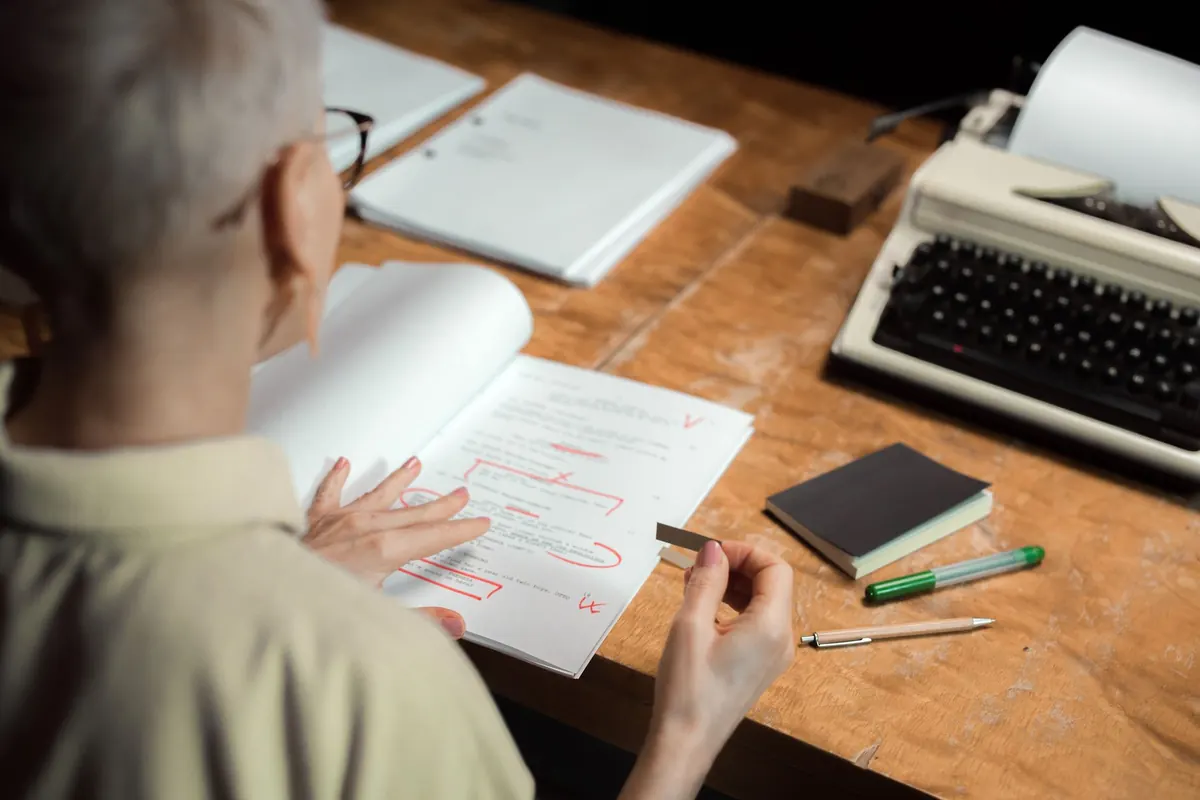
Photo: Ghinzo / Pixabay